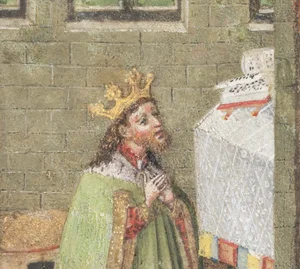
My Best Reads of 2025: A Medievalist’s Year in Books
Every year I set aside time to read as deeply as I can across art history, medieval studies, global history and the cultural worlds that shaped the books and images I handle every day. Reading has always grounded my work, sharpened my eye and mind and quite simply brought me joy.
I often return to the line attributed to Cicero, which has sat in my email footer for years and still feels true:
“If you have a garden and a library, you have everything you need.”
This year, between art and family life and naturally my garden, I was grateful for all.
Below is a selection of the books that stayed with me in 2025. They are thought-provoking, beautifully written and in many cases directly enriching my work, I hope you’ll find something here to enjoy over the holidays or perhaps discover a new direction in your own reading.

Light on Darkness: The Untold Story of the Liturgy by Cosima Clara Gillhammer
A richly researched and surprisingly vivid study of the medieval liturgy not as a static ritual, but as a living, evolving cultural system. Gillhammer brings together theology, music, manuscript production and localized practice to show how the liturgy shaped the medieval imagination. For anyone interested in processes of ritual, music and devotional imagery, this is an eye-opening, clarifying read.

House of Lilies: The Dynasty That Made Medieval France by Justine Firnhaber-Baker
For anyone interested in the cultural world that produced so many of the manuscripts and artworks we study and collect, this is absorbing, essential reading. Firnhaber-Baker’s account of the Capetians is one of the most engaging histories I’ve read being clear, vivid and alive with the personalities who shaped medieval France. She captures both the glamour of the court and the harder edges of power: the politics, the marriages, the ambitions and the religious currents that defined the era.
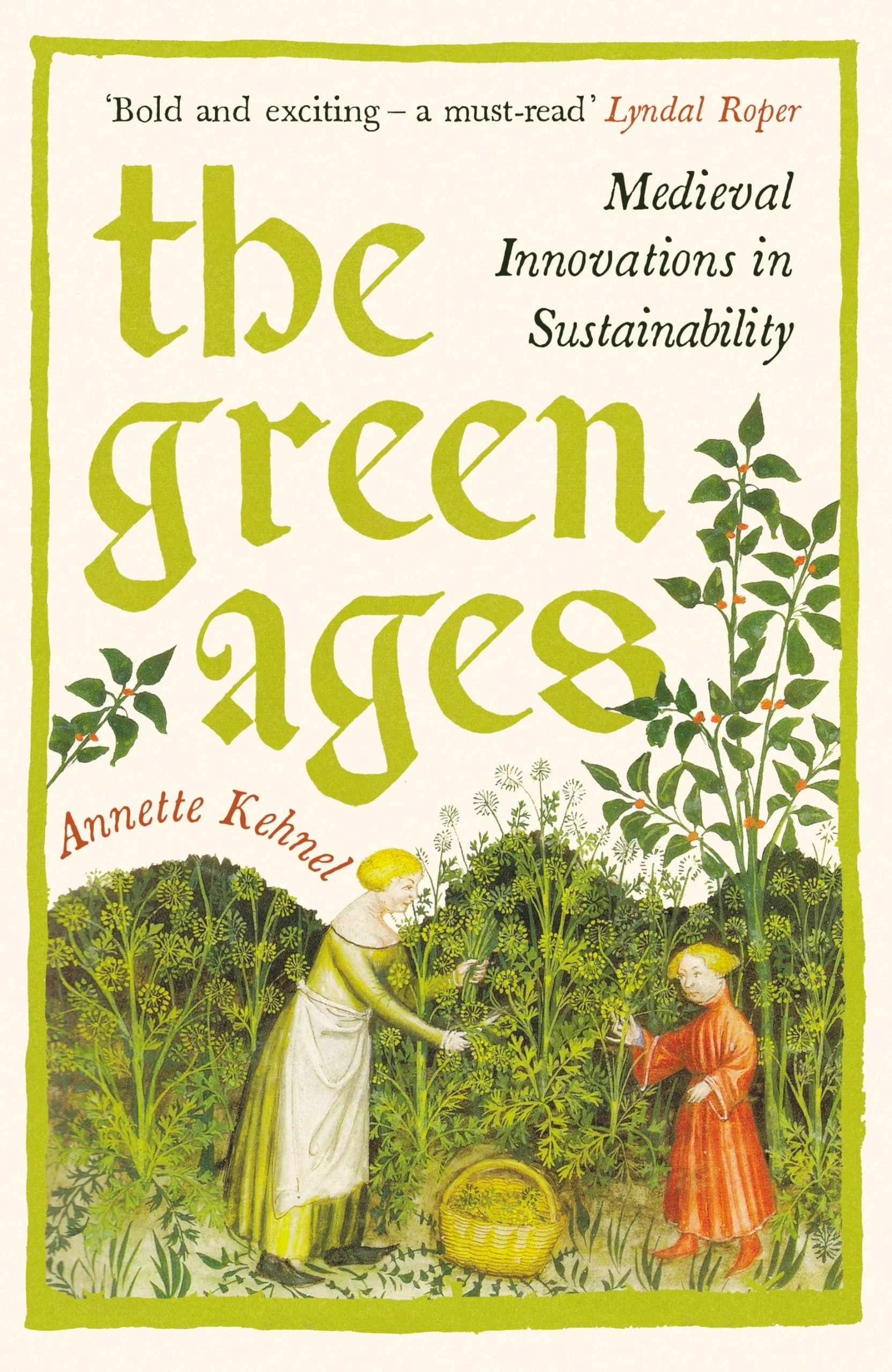
The Green Ages: Medieval Innovations in Sustainability by Annette Kehnel
Kehnel’s thesis is simple but powerful: medieval Europeans developed sustainable economic and ecological practices long before modern frameworks. Her examples being monastic resource management, reuse economies, common lands, regulated markets bring surprising relevance to the Middle Ages. A fascinating book that reframes assumptions and widens the view of medieval life.

King’s portrait of Vespasiano da Bisticci is a wonderful blend of biography and book history—an intimate look at the world of manuscript makers on the eve of the print revolution. It also captures the politics and turbulence of one of the most exciting and tumultuous moments in history. For anyone interested in how books were commissioned, copied, illuminated, and traded amid the shifting power of Renaissance Florence, this is immensely rewarding reading.

The Golden Road: How Ancient India Transformed the World by William Dalrymple
Dalrymple’s newest book is a sweeping look at India as a driving force in the ancient world. He traces how ideas, technologies, religions especially Buddhism and artistic traditions radiated outward across Eurasia reshaping cultures. What stayed with me most is his portrait of trade. The monsoon as a natural engine of exchange, the vast networks it enabled and the astonishing movement of goods. For anyone interested in global exchange and the interconnectedness of the ancient world, this is a compelling and expansive read.
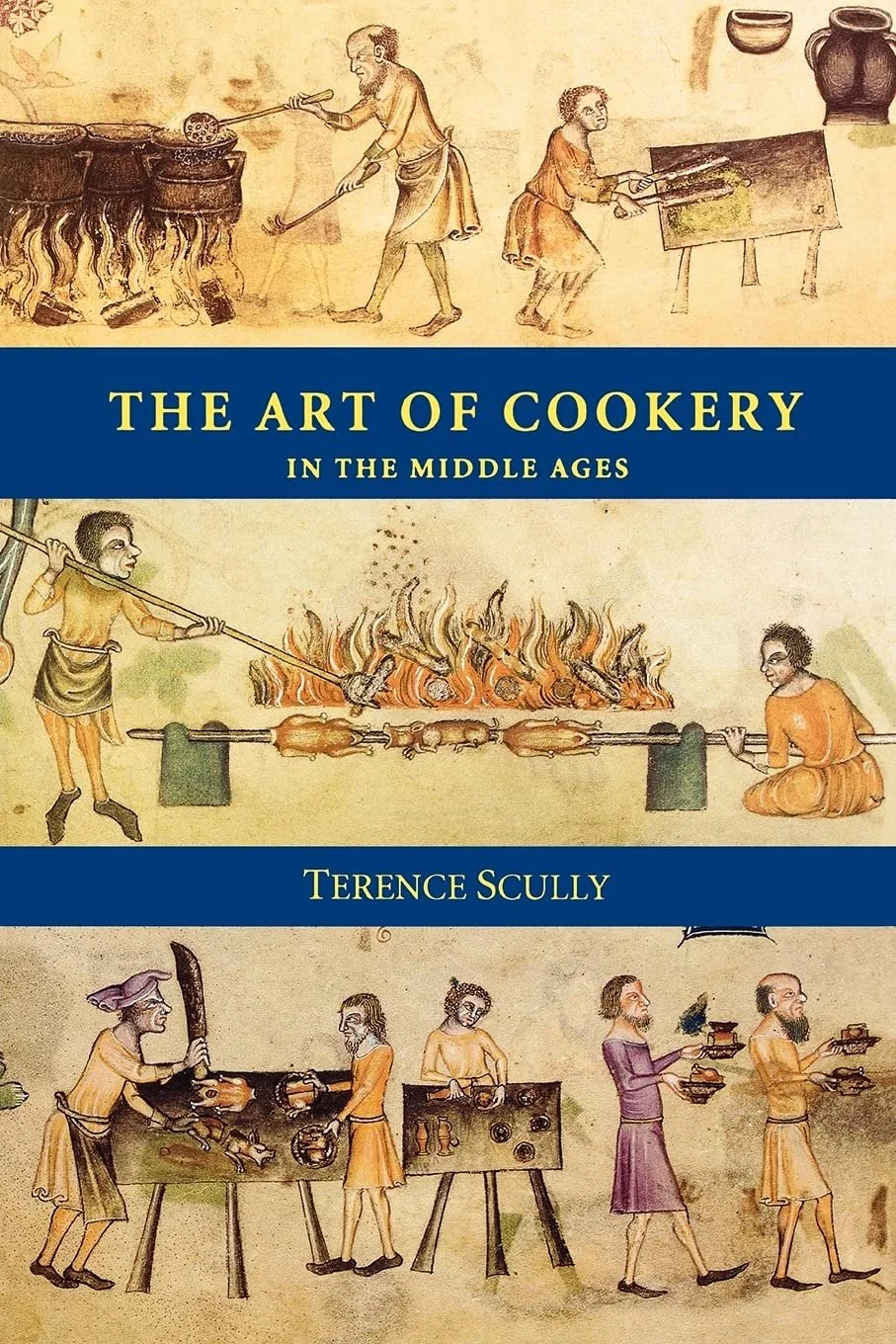
The Art of Cookery in the Middle Ages by Terence Scully
This book surprised me more than any other on the list. Scully moves beyond recipes to reconstruct the sensory and cultural world of medieval food: diet, kitchens, symbolism, feasting and the social weight of meals. It’s meticulously researched but wonderfully readable. Anyone with an interest in daily medieval life or who enjoys cooking will find it delightful.
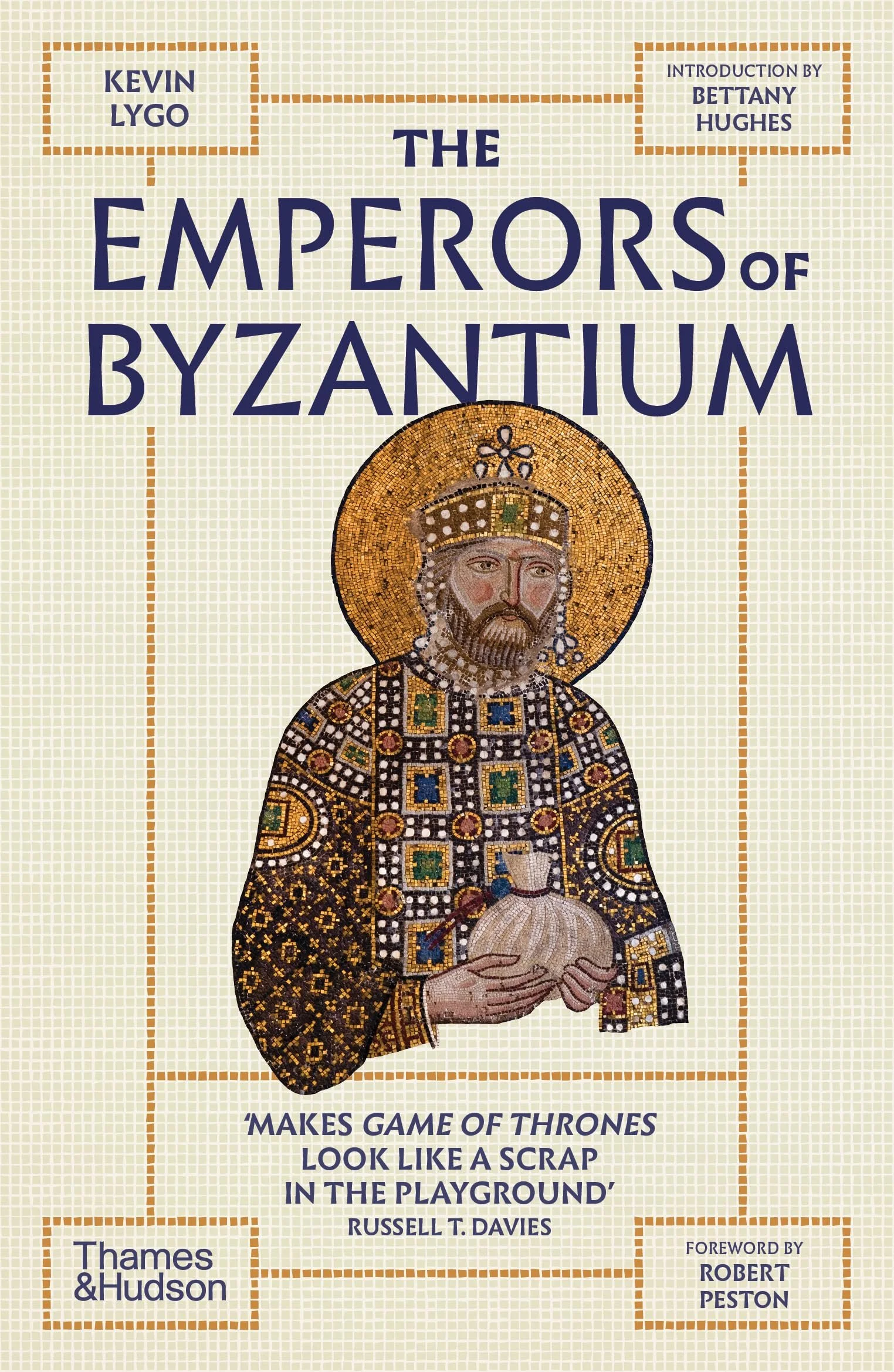
The Emperors of Byzantium by Kevin Lygo
Lygo’s book is an engaging tour through every Byzantine emperor from Constantine to the empire’s final fall and it reads at times with all the drama of Game of Thrones, except every bit of it actually happened. It’s a vivid introduction to a world too often overlooked despite Byzantium’s crucial role in shaping Western history. It is an excellent and highly readable guide to a line of rulers that includes the brilliant, the disastrous and everything in between.

The Posthumous Papers of the Manuscripts Club by Christopher de Hamel
This was the first book I finished in early 2025 and it proved an incredible follow-up to Meetings with Remarkable Manuscripts. De Hamel offers a warm, witty celebration of the many hands that have loved, preserved and studied illuminated manuscripts for a millennium. Through vivid biographical sketches he traces how these books survived, traveled and became objects of devotion. For collectors and admirers alike, it’s a deeply human and essential read and a powerful reminder of why we collect, research and preserve these fragments of the past.

A beautifully illustrated volume born out of the 2025 exhibition at the Morgan Library & Museum in New York, this book offers a vivid look at how the Psalms shaped medieval life from prayer and teaching to devotion. It shows Psalters were used across Europe in ways both intimate and communal. For anyone interested in the social life of manuscripts, it’s a moving study of how one of the Bible’s most powerful texts was read, painted and carried through the centuries
Closing Thoughts:
I hope this list offers something to enjoy over the holidays, whether for inspiration or simply the pleasure of a good book.
Wishing you and your families a warm and peaceful season,
PS: If you have any book recommendations of your own, I would love to hear them. Feel free to contact me here.
Many of the manuscripts, artists and traditions discussed in these books are represented in works currently available through our collection of illuminated manuscripts and manuscript paintings.